Nepal Flood Response:Communities Responding and Rebuilding
READ Centers are responding to urgent needs in flood-affected communities—and will remain alongside them on the journey to recovery.
READ’s locally owned and managed Centers were part of these communities long before the floods. Their local leadership, longstanding relationships and investment in disaster preparedness are helping communities identify needs, mobilize resources and respond to urgent gaps as they emerge.
What READ Is Doing?
Safe Water
In Ratamate, READ deployed a SkyHydrant water filtration system to provide safe drinking water for displaced families and others in the surrounding community after E. coli contamination was detected. Seven local young people have been trained to operate and maintain the system.

Helping families navigate the crisis
At the hospital near Agyauli, a READ-supported help desk has assisted more than 300 families with food, drinking water, information and practical guidance. READ Center leaders have also helped grieving families navigate unfamiliar administrative procedures as they seek to recover the remains of loved ones.
Essential medicines
READ identified gaps in essential medications for people with chronic health conditions whose medicines were lost or inaccessible after the flooding, and has supported the provision of medicines for diabetes and hypertension.
A safe place for children to learn
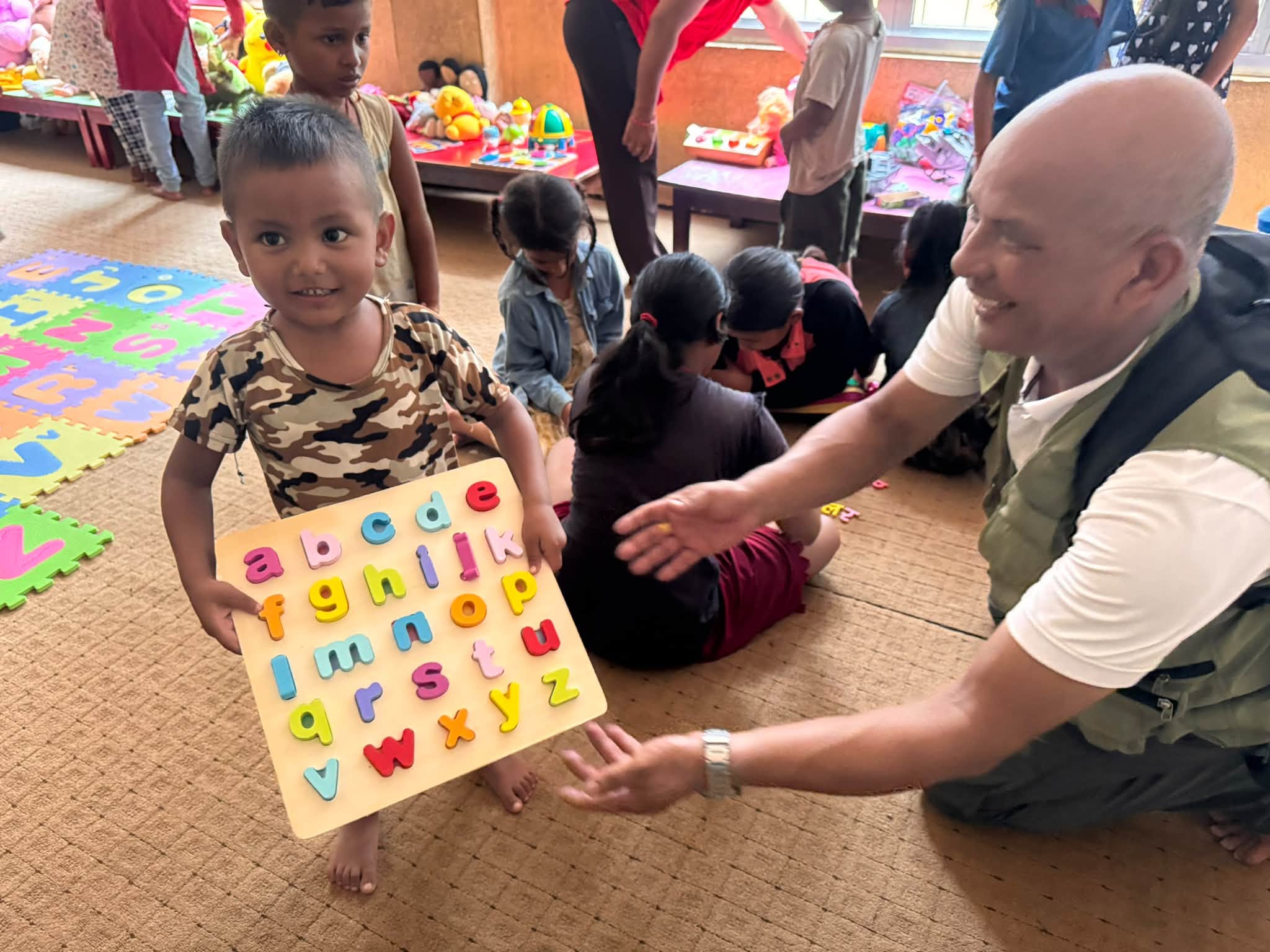
In Nuwakot, READ established a temporary learning space in collaboration with a local school. It is providing 45 children affected by the floods with a place to learn, play and regain some routine while their communities recover.

Essential medicines
READ identified gaps in essential medications for people with chronic health conditions whose medicines were lost or inaccessible after the flooding, and has supported the provision of medicines for diabetes and hypertension.
Emergency supplies and sanitation
READ has procured supplies including 250 hygiene kits, 50 water filters, 1,000 water purification solutions, 63 tents, chlorine and bleaching supplies, PPE for sanitation work, and learning and play materials for children. Distribution and sanitation activities are being carried out according to needs identified in affected communities.


Prepared before the disaster
READ Nepal’s response also builds on disaster preparedness work undertaken before the floods. READ Centers have participated in disaster-risk-reduction training and local emergency planning. In Fulbari, an existing disability-inclusive preparedness plan helped community members support people with disabilities in relocating safely during the emergency.
Why READ Can Respond ?
READ’s response did not begin when the floods did.
For more than 35 years, READ has worked alongside communities in Nepal to establish locally owned and managed READ Centers—permanent community institutions built around local leadership, relationships and problem-solving.
When a crisis occurs, that foundation matters. READ Centers already know their communities: who may be most vulnerable, where gaps are emerging, and which local resources and relationships can be mobilized. They can listen directly to residents, coordinate with government and other service providers, and adapt as needs change.
READ has also invested in disaster preparedness before emergencies occur, including training, local planning and disability-inclusive approaches.
READ is not arriving in these communities because a disaster happened. The Centers were there before the floods, they are responding now, and they will remain as communities recover.
Relief Today, Recovery Ahead
Immediate needs remain, but recovery will take much longer.
Today, communities are confronting urgent needs for safe water, medicine, shelter, sanitation and places where children can safely learn and gather. As those immediate pressures ease, the priorities will change.
READ Centers will remain alongside their communities as they move from emergency response toward recovery—listening to local residents, identifying emerging needs and helping communities organize around their own priorities.
That may mean restoring spaces for learning and community life, helping people reconnect with services and livelihoods, strengthening preparedness for future disasters, and responding to needs that are not yet fully visible.
The international spotlight on a disaster eventually moves elsewhere. Local institutions remain. READ Centers will continue to be there for the longer journey of recovery.
Donation call to action.
Help Communities Recover and Rebuild