Our Model

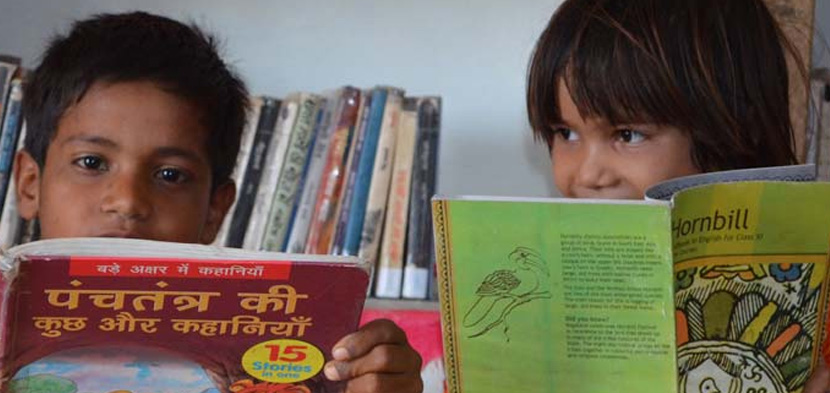
READ Global brings together education, enterprise and community development to create lasting social change in rural communities. READ partners with rural villages to build Community Library and Resource Centers (READ Centers) that offer knowledge, information and opportunities to villagers that lack the most basic educational resources.

READ Centers are designed to serve whole communities and their surrounding areas. Resources are available for all – adults, children, students, teachers, women and even those who are illiterate.

Take a look at our new photo essay to learn more about our programs, and to see the faces and stories behind the "READ Effect": a testament to how READ Centers serve as catalysts to uplift entire communities.

Education

With the establishment of every READ Center, an entire community gains access to a wealth of educational resources. Each READ Center provides a fully stocked library and, through partnerships with local organizations, valuable trainings on literacy, health issues, computer proficiency, livelihood skills and more.

READ believes that literacy is critical to personal and economic empowerment, so our programming is centered on creating a culture of reading. A love of reading is quickly spreading as literacy trainings are some of the highest attended in READ Centers.

In many of the communities where we work, READ Centers have become a vital resource for students and teachers. Our Centers provide a forum for students to engage in education-related extracurricular activities. Library sections allow students to borrow books and study outside of the classroom, in addition to offering teachers supplemental materials for their curriculum.

Enterprise

Once a READ Center has been built, READ works with each community to seed a for-profit enterprise that will generate much-needed income to sustain the center over the long run. To establish the most successful enterprises, READ business development managers collaborate with Library Management Committees to explore market opportunities in each community.

For-profit enterprises range from simple storefront rentals to sewing and apparel centers. Some of the most innovative and successful businesses are a furniture factory, ambulance service, tractor rental service, community radio station and gooseberry processing facility producing iron-rich foods and juices.

Community Development

READ operates on the belief that communities are in the best position to assess their own needs and strengths. It is critical to our model that we only work with communities that have invited us to partner with them. In anticipation of a potential partnership, READ country staff spends time educating communities about the READ model, level of participation required and long-term goals of a READ Center. When a community is ready, it forms a Library Management Committee and presents READ with a proposal for a new center. Once a plan is agreed upon, our work together begins.

Community co-investment and management

An important part of our model is establishing true partnerships with communities. In addition to READ's investment, each community contributes a minimum of 10-15% of the total cost of building a READ Center. The community’s contribution is typically through a donation of land, a building to be renovated or through their own fundraising efforts. In many villages, almost every member of the community makes some level of contribution—no matter how small. As a result, everyone in the community feels invested in the success of the center and feels welcomed once it’s completed. Co-investment helps ensure success. With a clear stake in the well-being of READ Centers and their for-profit enterprises, each community embraces ownership and management.

Snapshot of a READ Center

  • Library section with 3,000-5,000 books, in both the local language and English
  • Selection of current newspapers and magazines
  • Computer Section with Internet (where available) and computer skills classes
  • Early Childhood Development Section that includes child-friendly furnishings, learning toys and reading materials
  • Women’s Empowerment Section that is a safe space for women and girls, featuring literature and educational materials relevant to their needs
  • Communications Section with telephone, fax and copying services
  • Selection of audiovisual tools, including DVD player, CD player, overhead projector, television, video projector and slide projector
  • Training and meeting hall where staff and local partner organizations can conduct programs related to community development, literacy, health and more