
Building resilient communities, one village at a time.
READ India’s Centers serve 16 states.
Since 2007, READ India has been playing a pivotal role in fostering community engagement, empowerment, and education through a holistic development approach. READ India enhances the capacity of the local communities to either run their own enterprise successfully or secure suitable jobs for their economic wellbeing.
This cumulative READ India Effect results in increased knowledge and prosperity for rural communities today and better prospects for the future.
READ India is an independent, FCRA-registered Indian not-for-profit organization working with the marginalized communities in India, since 2007. At READ India, it’s always COMMUNITY FIRST.
Core Programs
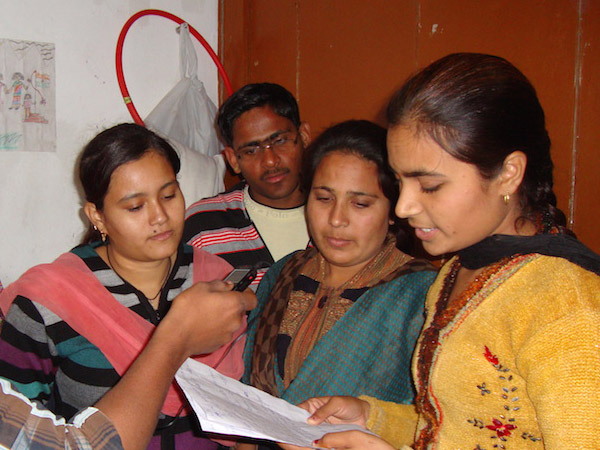
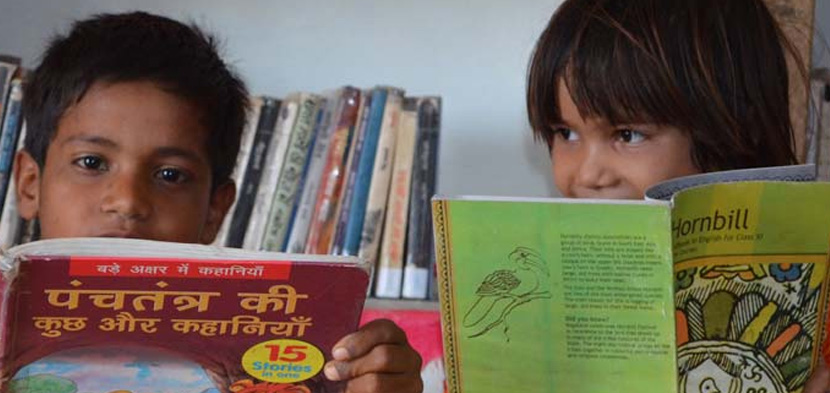
Education Interventions: READ India’s education interventions aim to improve reading and writing habits, while also offering courses such as English (oral and writing skills), digital learning, coaching classes and early childhood education.
ICT Training: Providing access to Information and Communication Technology(ICT ) tools and training on basic and advanced use of technology, particularly with employability in mind.
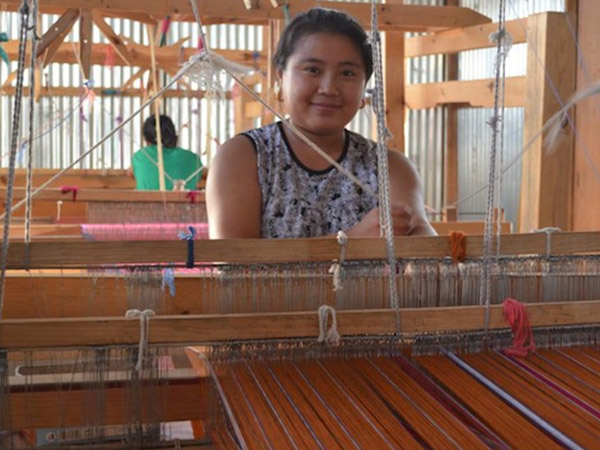
Women Empowerment and Livelihood: READ India focuses on empowering women by building their skills, capacities and creating an enabling environment with stakeholders committed to their socio-economic development with special focus on confidence building, financial literacy and leadership qualities.
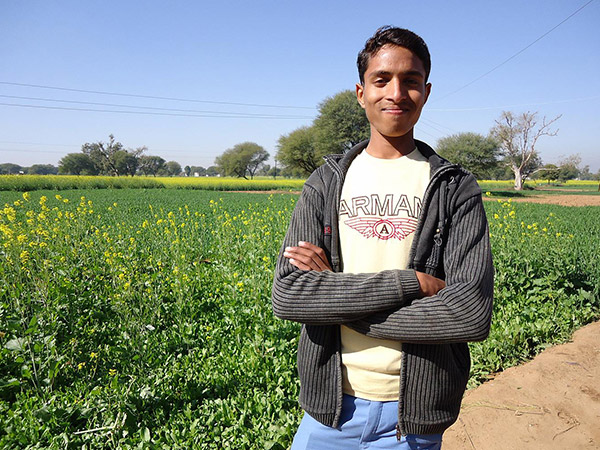
Youth Skilling: READ India builds the capacity of youth in the age group 18 to 25 years through life-skills, career counselling, personality development workshops, English communication and sports for development.
Health Awareness: Besides constructing safe toilets in schools, READ India also conducts workshops on basic health and hygiene, trains community health workers, and holds events on reproductive & child health at READ Centers.
For more details, visit www.read-india.org.