
About READ Nepal
READ Nepal’s 69 Centers serve 42 of its districts.
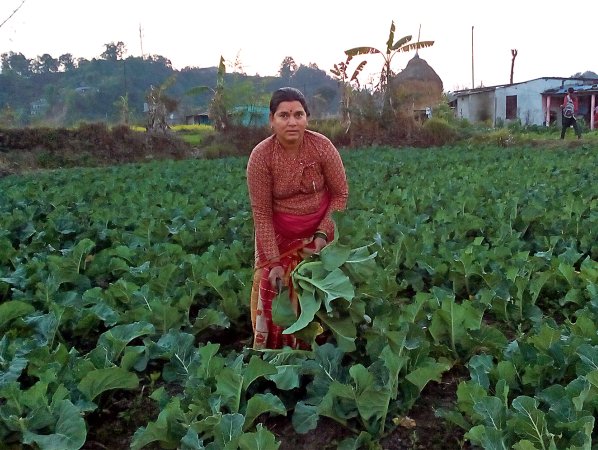
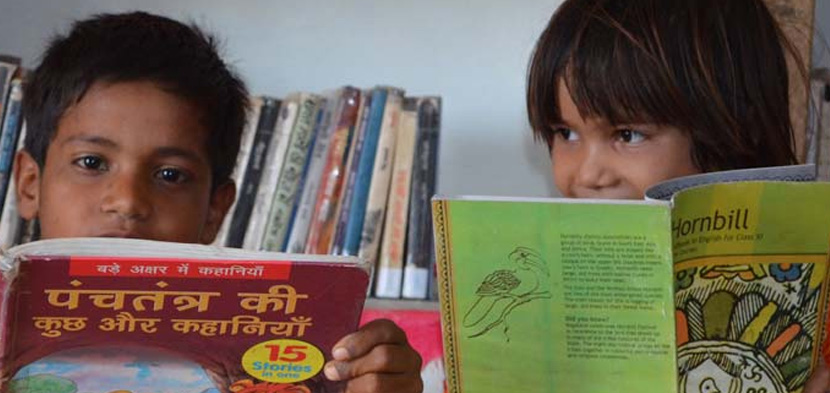
READ has its roots in Nepal, where our first office opened in 1991 after a rural villager told our founder that all he wanted for his village was a library. Since then we have opened READ Centers across the country, offering training programs in livelihood skills, literacy, health, and technology. With our partner communities, we have seeded sustaining enterprises that address community needs: from fish farming and turmeric farming to a community radio station. Almost 4,000 women participate in savings cooperatives at READ Centers in Nepal.
For more than half of the rural population, it takes longer than half an hour to get to the nearest all-weather road, making it hard for rural Nepalis to access resources. Social norms make girls’ education a low priority, and as a result 53.3% of women can’t read. Schools are often inaccessible and have no books for a library or resources for a computer lab. Furthermore, less than 30% of the rural population has access to electricity.
To learn more about READ’s work in Nepal, click here to download a pdf overview or visit the READ Nepal team’s website at Read.org.np.
Core Programs
Some of our most popular trainings in Nepal include:
- Practical Answers – in partnership with Practical Action
- Children and Youth programs
- Technology – digital literacy
- Health
- Livelihood skills training
- Savings Cooperatives
- Adult Literacy – in partnership with the Ministry of Education
- Women’s Empowerment – leadership / gender training, and more