In the second of two reflections from her visit to flood-affected communities in Nepal, READ Global Executive Director Sanjana Shrestha shares what she witnessed in Nuwakot, closer to the source of the flooding, where families lost homes, farmland, and livelihoods.
As communities begin the long process of recovery, READ is working through its local Centers and community relationships to understand families’ changing needs, connect them with assistance, and support them in finding ways forward. Sanjana’s reflections highlight why recovery requires more than replacing what was lost, and why listening to affected families and understanding their individual circumstances matters.
Nuwakot Showed Another Side of the Disaster
By Sanjana Shrestha, READ Global Executive Director
In Nuwakot, closer to the upper river corridor where the flood entered Nepal from the Rasuwa border area, the scale of destruction was visible in the landscape itself. The floodwaters had travelled downstream through the Bhote Koshi and Trishuli river systems, leaving a trail of devastation across communities along the way.
The river had spread far beyond its former course, swallowing vast stretches of what local residents told us had once been fertile farmland. As we travelled through the affected areas, we noticed pieces of clothing and debris caught in trees fifteen to eighteen metres above the ground, a stark indication of how high the floodwaters had risen. Equally astonishing were the enormous boulders carried downstream by the force of the flood. Standing beside one of these massive rocks, a person appeared almost tiny in comparison. It was difficult to comprehend the sheer power of the water that had moved such enormous objects, transforming the landscape and sweeping away land on which families had depended for generations.
Along the road towards Trishuli, houses and temples stood damaged, some still partly buried in mud. In several places, the smell of decay lingered.
Inside damaged homes, ordinary belongings remained scattered or covered in mud: cooking utensils, clothes, furniture, even a baby’s bassinet. These ordinary objects were particularly moving. They offered glimpses of the lives that had unfolded within those walls: families cooking meals, children growing up, and the routines of everyday life.
It was these familiar objects that made the destruction feel deeply personal. These were not simply damaged buildings. They were homes where families had cooked, raised children, worked, and built their lives.
Making Homes Liveable Again
As the floodwaters receded, thick layers of mud, stones, and debris remained inside many homes. Families were shovelling mud from their ground floors, while shopkeepers worked to clean their premises, hoping to reopen and begin earning again.
Even this first step towards recovery was difficult. Clean water was scarce. In one location, residents were using water from a nearby stream that was itself muddy. With READ’s support, a set of water pumps were being used to draw water from a river approximately 60 metres away. The equipment was shared between households, allowing families to begin clearing and washing their homes. But progress was slow. Before cleaning could begin, heavy debris had to be removed, often manually.
Watching this work made me realise how much effort can be required simply to make a home liveable again. For these families, recovery began not with rebuilding walls or replacing furniture, but with clearing away what the flood had left behind.
When Farmland Becomes Riverbed
| “That used to be our farmland.”
We heard variations of these words repeatedly as we travelled through the affected communities. People showed us where their fields, or their neighbours’ fields, had once been. | 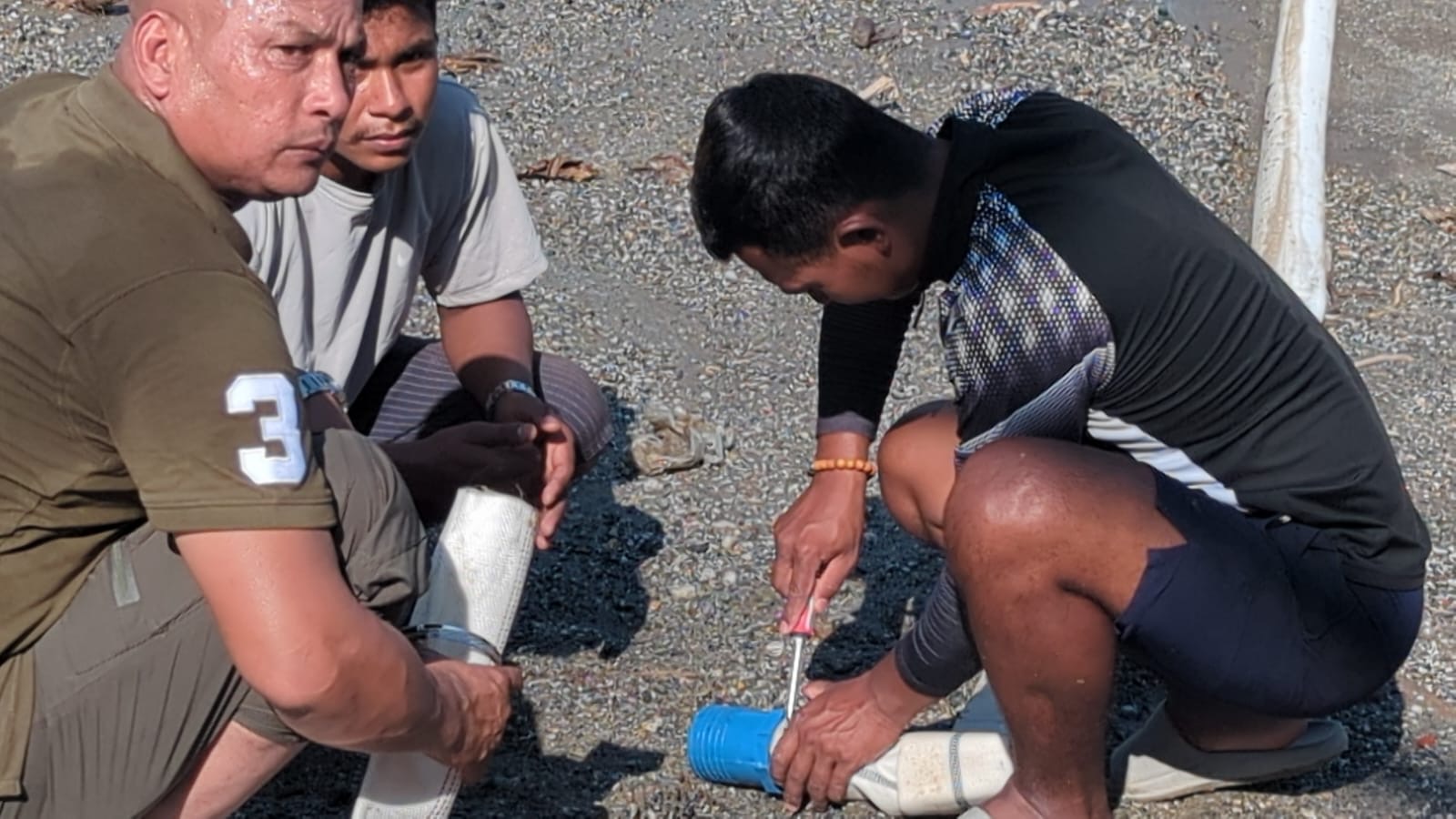 Assembling water pumps and pipes to supply water for clean-up efforts |
Some had been swallowed by the expanded river. Others lay buried beneath sand, stones, and debris.
For many families, this land had provided both food and income. Losing it meant losing not only a physical asset, but also an important source of livelihood and security.
Standing there, one question kept returning to me:
What does recovery mean when the land that sustained a family has become part of the riverbed?
For some families, recovery may not mean returning to what existed before. Their circumstances may require entirely new livelihood options, new skills, and different ways of earning a living.
This is why recovery cannot be approached simply as the replacement of what was lost. It also involves listening to how families envision their future and supporting them to explore realistic possibilities.

Relief Has Arrived, but Who Is Still Being Missed?
Across the flood-affected areas, we heard about the generous efforts of organisations, local institutions, and individuals who had distributed food, hygiene kits, utensils, blankets, and other essential supplies. These contributions had provided much-needed relief to families facing enormous loss and uncertainty.
Yet, as we travelled through the affected communities and listened to people’s experiences, another question kept emerging: Who had received assistance? Who was still waiting? And who might have been overlooked?
Many damaged homes were no longer habitable. Some families had moved to Kathmandu, while others were staying with relatives elsewhere. Although they had left their communities, their needs had not disappeared. In fact, displacement could make it even harder for them to access assistance.
During lunch at a small local hotel, the owner told us about a woman who had lost her husband in the flood and was caring for a young child. She lived some distance from the riverbank, where much of the relief distribution had been concentrated. According to the hotel owner, the woman had struggled to access the assistance she needed.
This was not an isolated concern. Along the way, several people spoke about uneven distribution of relief supplies. Some families had received multiple rounds of assistance, including several pressure cookers, blankets, and enough food to last for months, while others were still struggling to obtain basic necessities.
These accounts were a reminder that even when considerable assistance is mobilised, ensuring that it reaches everyone who needs it remains a challenge.
One encounter brought this reality particularly close to home.
During a meeting with a Ward President, we noticed a woman sitting in his office with her young son. She had travelled back from Kathmandu, where she was temporarily staying, hoping to receive assistance.
She told us that despite repeated requests, she had not yet received the support she needed. Unsure where else to turn, she was determined to remain at the office until someone could help her.
The Ward President explained that he could provide a sifarish, an official recommendation confirming that she had been affected by the disaster. However, even with this document, she would still need to travel approximately 17 kilometres to the district-level office to pursue assistance.
I kept thinking about what this meant for her.
She had already experienced the disruption and uncertainty of displacement. Now, accessing assistance required another journey, additional expenses, more paperwork, and no guarantee of receiving the support she needed.
For someone navigating loss and displacement, even a seemingly straightforward administrative process can become another significant burden.
That encounter stayed with me because it revealed the difference between assistance being available and assistance being accessible.
It also reminded me that recovery is not simply about how much assistance reaches an affected area. It is equally about understanding who may still be struggling, including those who are no longer physically present in their communities, those living farther from distribution points, and those who face difficulties navigating administrative processes.
This is where trusted community institutions, working alongside local government and other partners, can play an important role. With their local knowledge and relationships, READ Centers are helping identify families whose needs may be less visible, connecting them with available services, and facilitating communication and follow-up where needed.
Sometimes, making a difference may begin with a simple question: Who have we not yet reached?
| Safe Water Remained Essential The flood had damaged and contaminated local water sources, making access to safe drinking water a continuing concern for affected families. When we visited, recent heavy rainfall had made the water from natural springs muddy, further limiting access to sources that communities normally relied upon. It was a reminder that even weeks after the disaster, something as basic as safe drinking water remained uncertain. A SkyHydrant water filtration system, provided by Arbeiter-Samariter-Bund (ASB) through READ, was helping address this need. The system had been adapted for mobile distribution, allowing filtered water to be transported to different locations and made available to families who might otherwise struggle to access safe drinking water. |  |
Seeing people arrive to collect water brought home how easily something we often take for granted can become a daily concern after a disaster. The muddy spring water we observed also made the value of the filtration system particularly evident.
Safe drinking water was not simply another item on a relief list. It was essential to protecting people’s health, reducing the daily burden on affected families, and helping them regain some stability in their lives.
A Space for Children and a Connection with Families
Amid these difficult circumstances, one initiative offered a different kind of support.
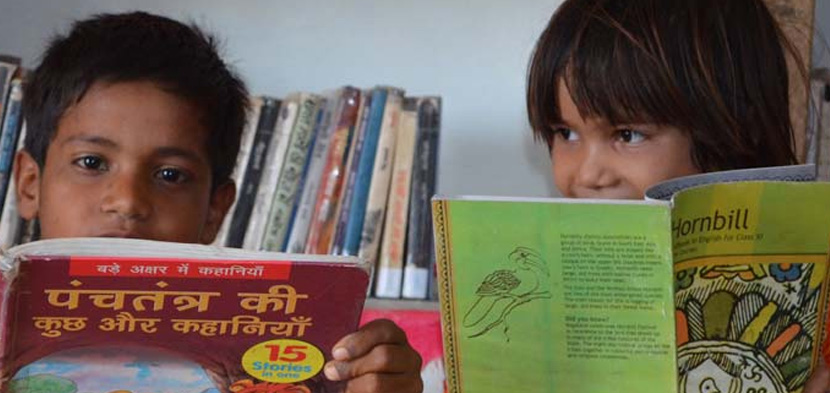
The local READ Center, working with a nearby school, had established a Children’s Learning Center. Around 20–40 children were attending each day, taking part in learning, play, and recreational activities.

For children whose routines had been disrupted, this provided a welcoming space to spend time with others, continue learning, and experience some sense of normality.
But the value extended beyond the children themselves.
The learning space also created opportunities to connect with parents and caregivers. Through everyday conversations, local volunteers and facilitators could better understand how families were coping, what challenges they faced, and whether additional assistance or referrals might be needed.
I was reminded that community spaces are important not only because of the activities they offer, but also because of the relationships they make possible.
A conversation while collecting a child from a learning session can reveal a concern that might never surface during a formal needs assessment.
| A More Complex Recovery Landscape Visiting Nawalpur and Nuwakot revealed how differently the same disaster can affect communities and why recovery approaches need to reflect these differences. | 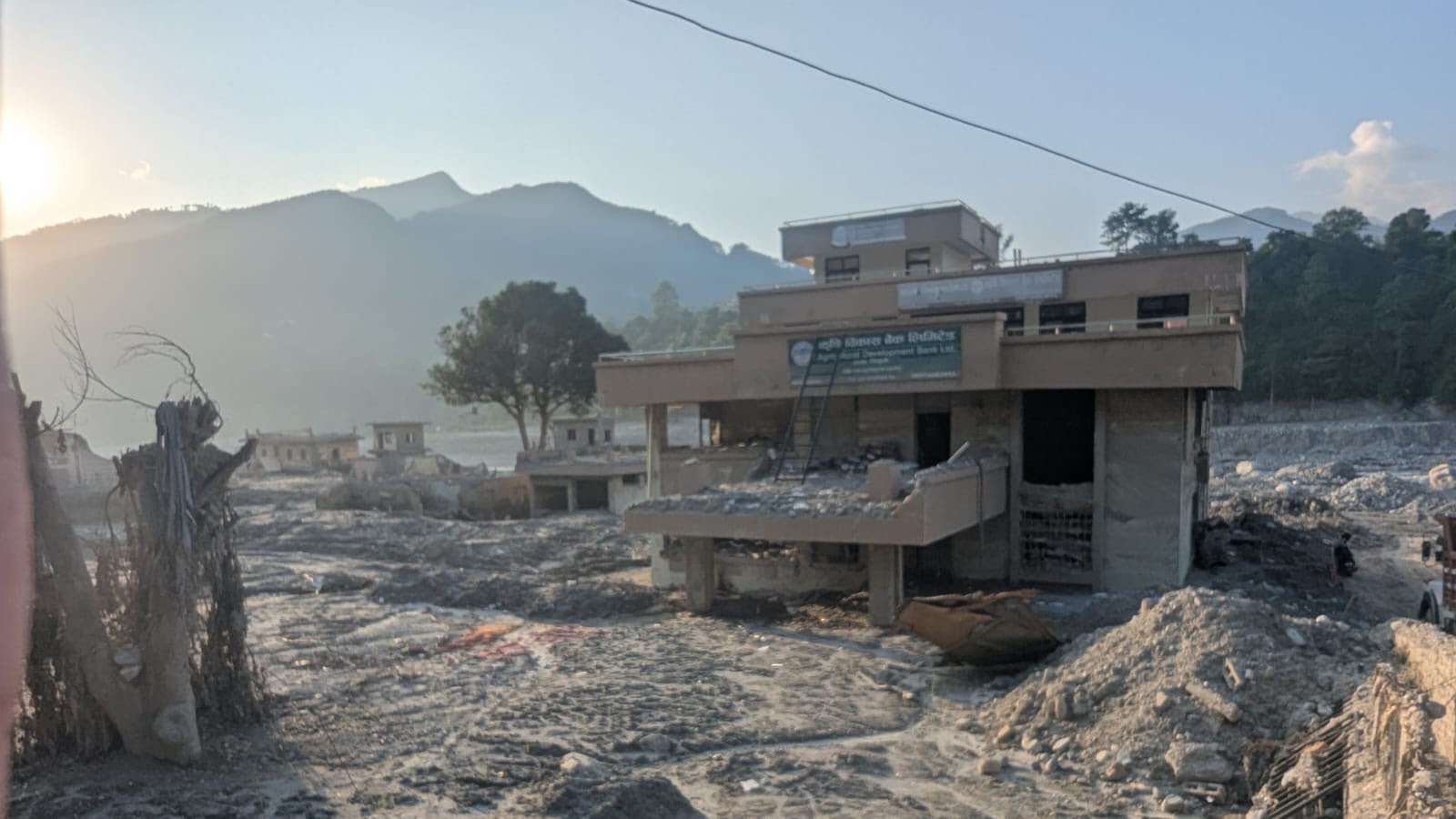 |
In Nawalpur, local READ Centers had become deeply involved in the response, drawing on established relationships with the hospital, local government, police, businesses, volunteers, and affected families. Their continued presence made it possible to understand what assistance had already been provided, what needs were emerging, and where gaps remained.
Nuwakot presented a different challenge.
The destruction was spread across several communities. Some families had remained to clean and repair their homes, while others had moved elsewhere. Agricultural land had disappeared or become unusable. Access to safe water, healthcare, livelihoods, and assistance continued to vary between households.
READ and local Centers were already working through community relationships and local government connections to respond to immediate needs, including safe drinking water, household clean-up, and support for children.
Yet the longer-term recovery picture was still unfolding.
During our visits, local residents pointed us towards families facing serious difficulties, including households that had lost their main income earner and were now worried about sustaining themselves and keeping their children in school.
These conversations reinforced that recovery cannot be understood through a single visit or assessment. Families’ circumstances change, and some of the most difficult challenges emerge only after the immediate emergency has passed.
READ’s role in Nuwakot is therefore not to duplicate the work of government or other organisations, or to assume responsibility for every recovery need. Instead, it is to remain connected with affected families, listen as their priorities evolve, and work through local government and community networks to identify gaps and mobilise appropriate support.
Where assistance is already available, READ can help families access it and follow up on outstanding commitments. Where important needs remain unmet, READ can work with partners and communities to determine how targeted support might help.
What these visits reinforced most strongly was the importance of sustained human connection.
Behind every damaged house, lost field, or displaced family is a life that has been profoundly disrupted. Recovery requires practical assistance, but it also requires patience, empathy, continued presence, and respect for people’s own choices about how to move forward.
We are deeply grateful to the generous donors and supporters whose contributions have made READ’s response possible. Their kindness and solidarity have enabled local READ Centers and communities to stand alongside affected families during this difficult time and continue supporting their journey towards recovery.
The strength of READ’s community-owned Centers lies precisely in these relationships, established long before the disaster and sustained long after the immediate relief effort has ended.
And perhaps that is one of the most important lessons from Nuwakot: recovery is not simply about restoring what was lost. It is also about standing alongside families as they find ways to rebuild their lives in circumstances that may never be the same again.